Tayside Hindu Cultural and Community Centre is in the heart of Dundee, serving the community since 1984.
Tayside Hindu Cultural and Community Centre is in the heart of Dundee, serving the community since 1984.
This page is dedicated to exploring and learning more about Hinduism, including its deities, the significance of festivals, rituals, and more. Whether you're curious or seeking deeper understanding, you'll find valuable information here.
Different Deities (Major ones):
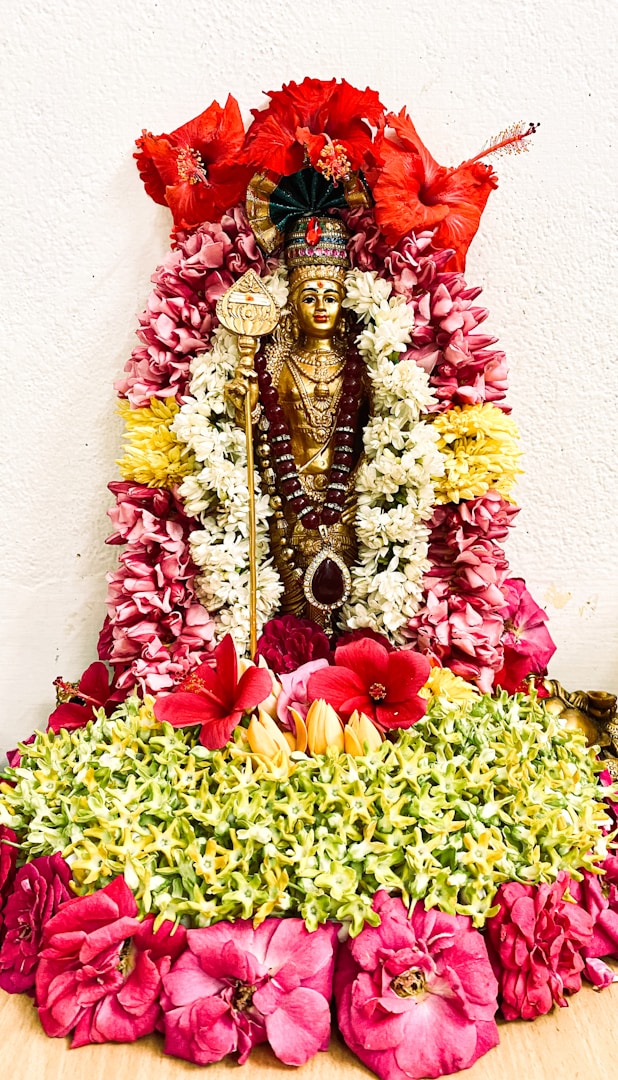
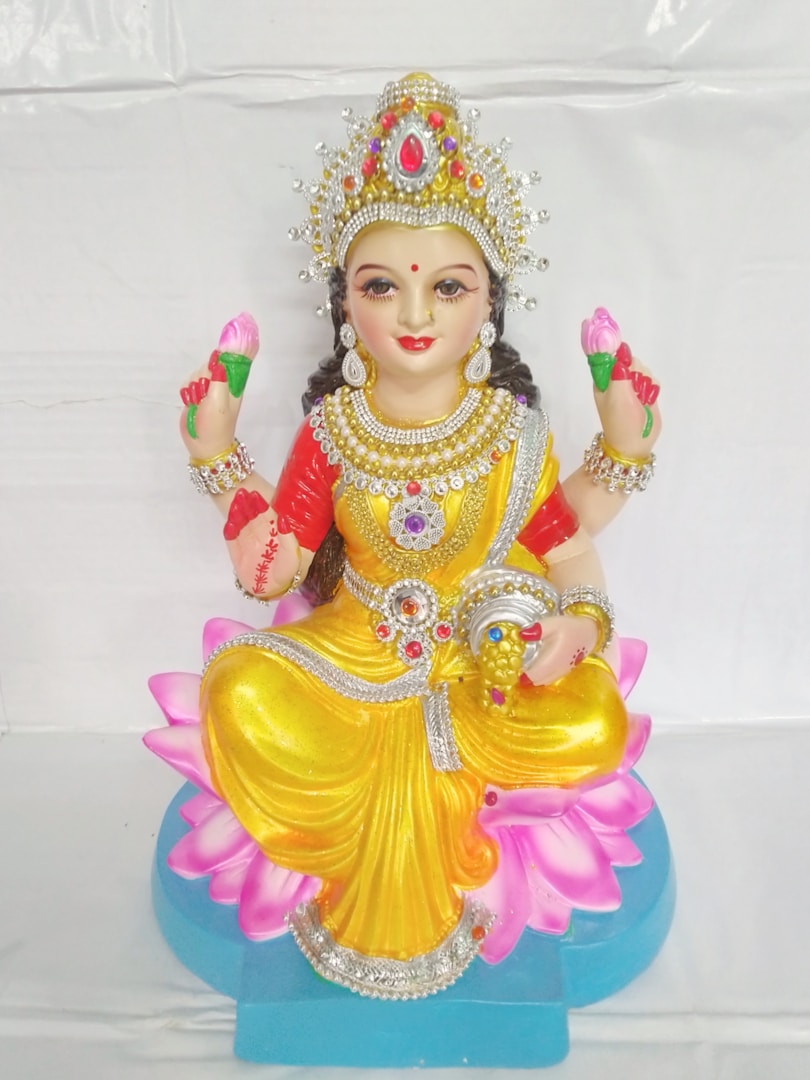
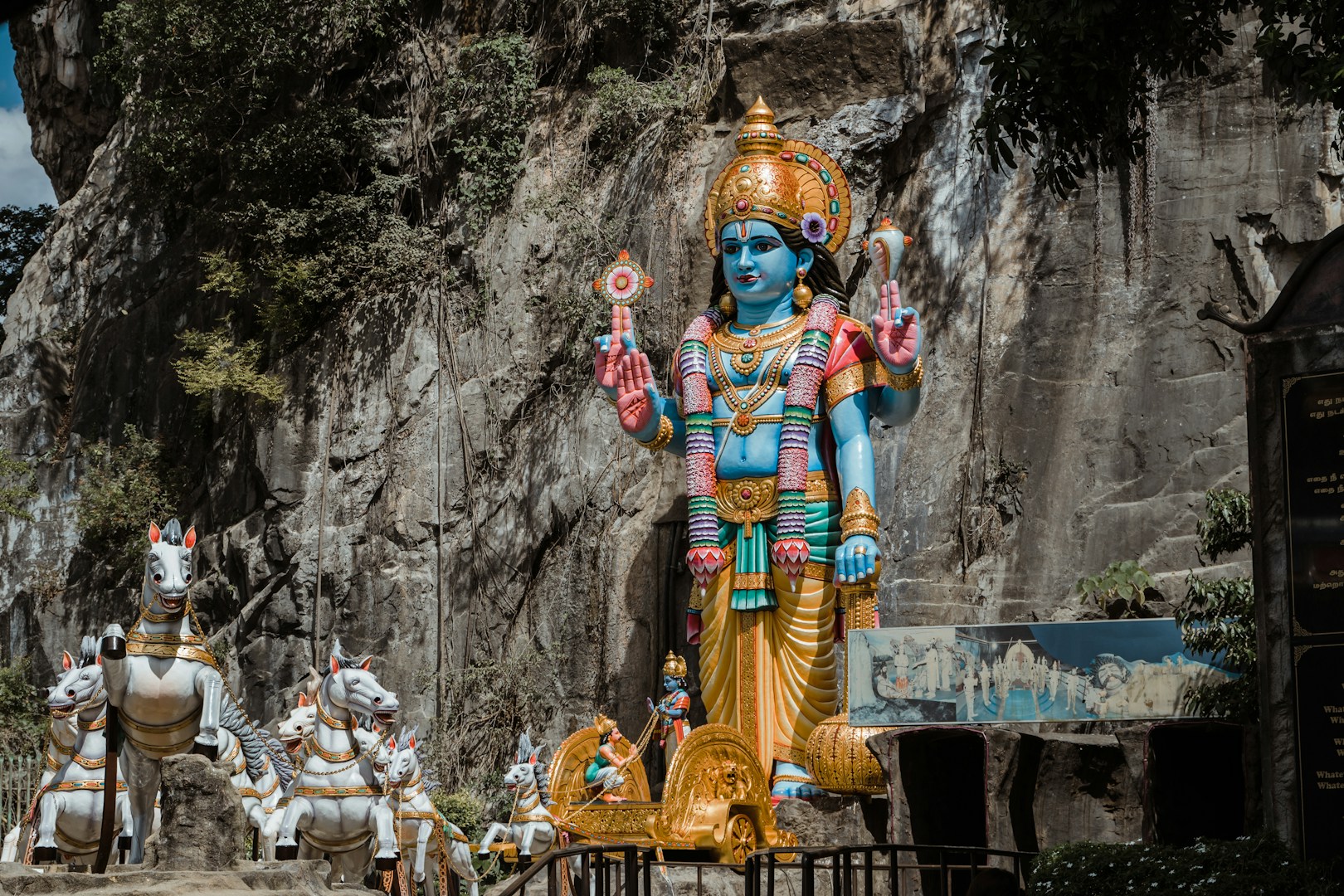
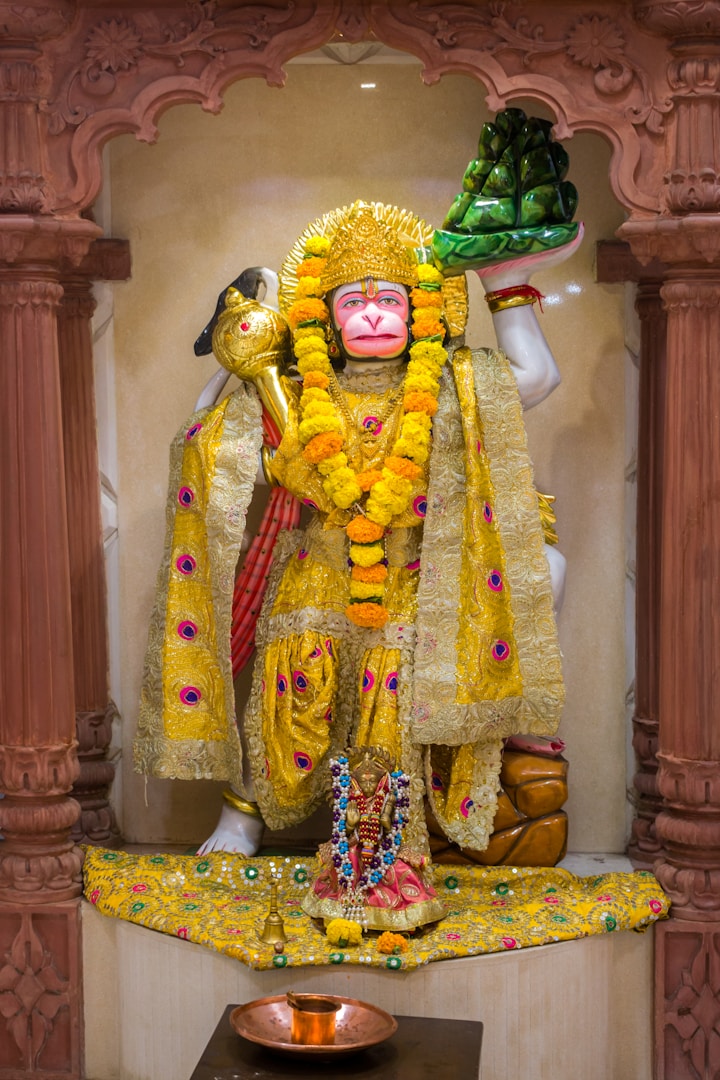
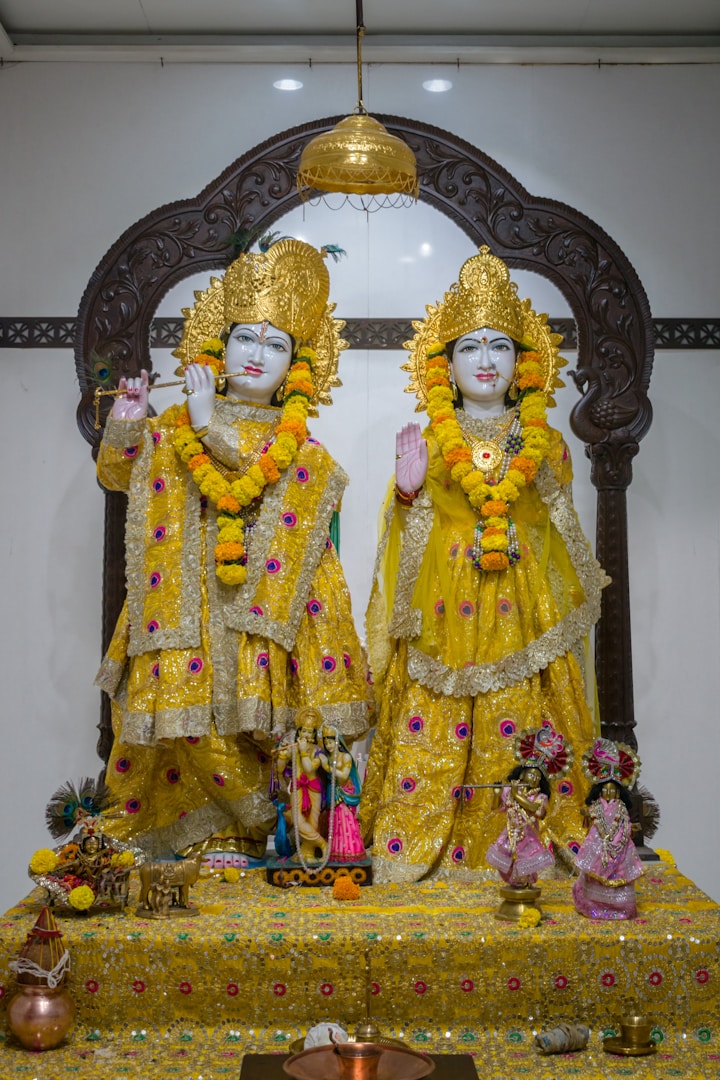
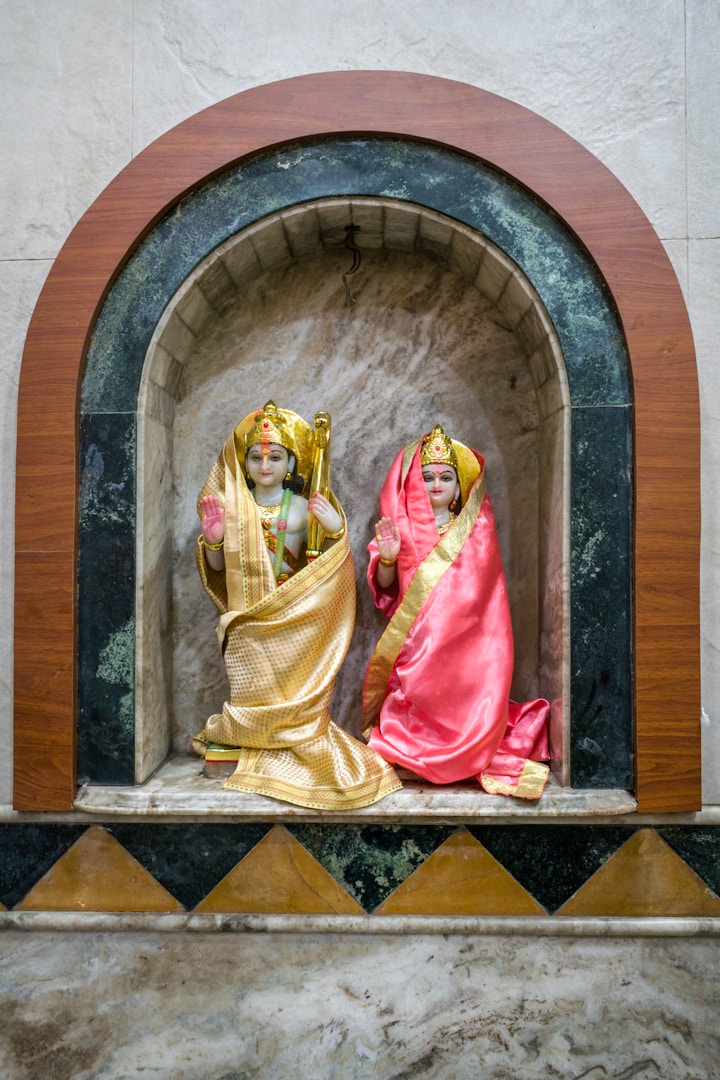
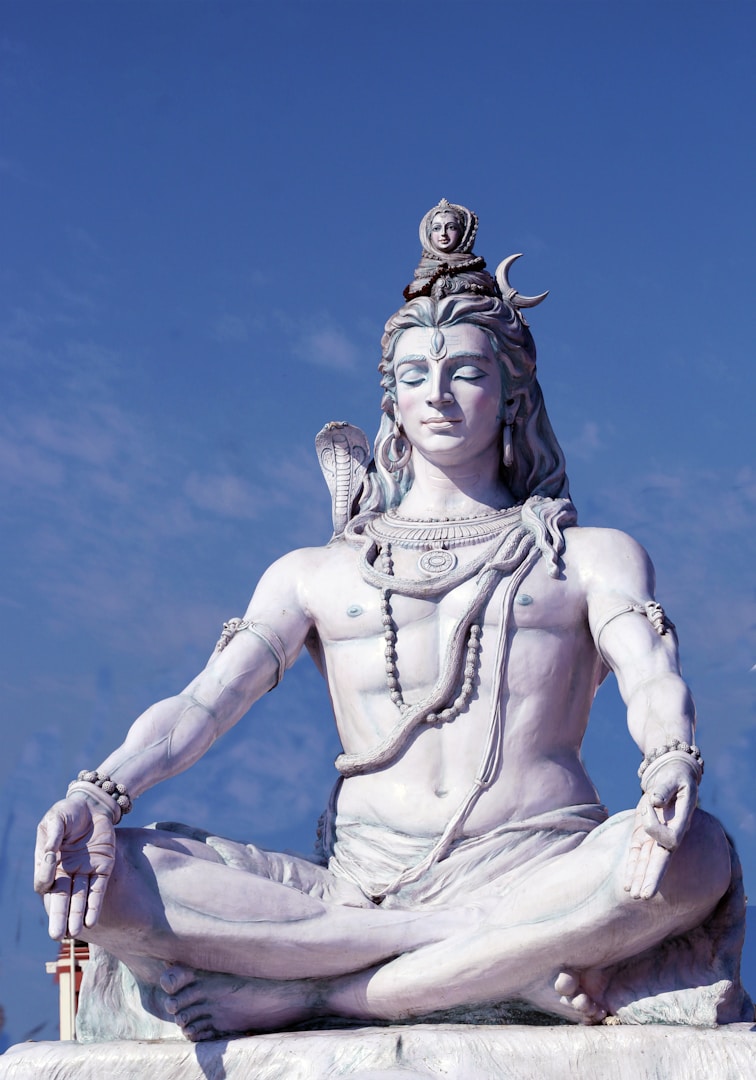
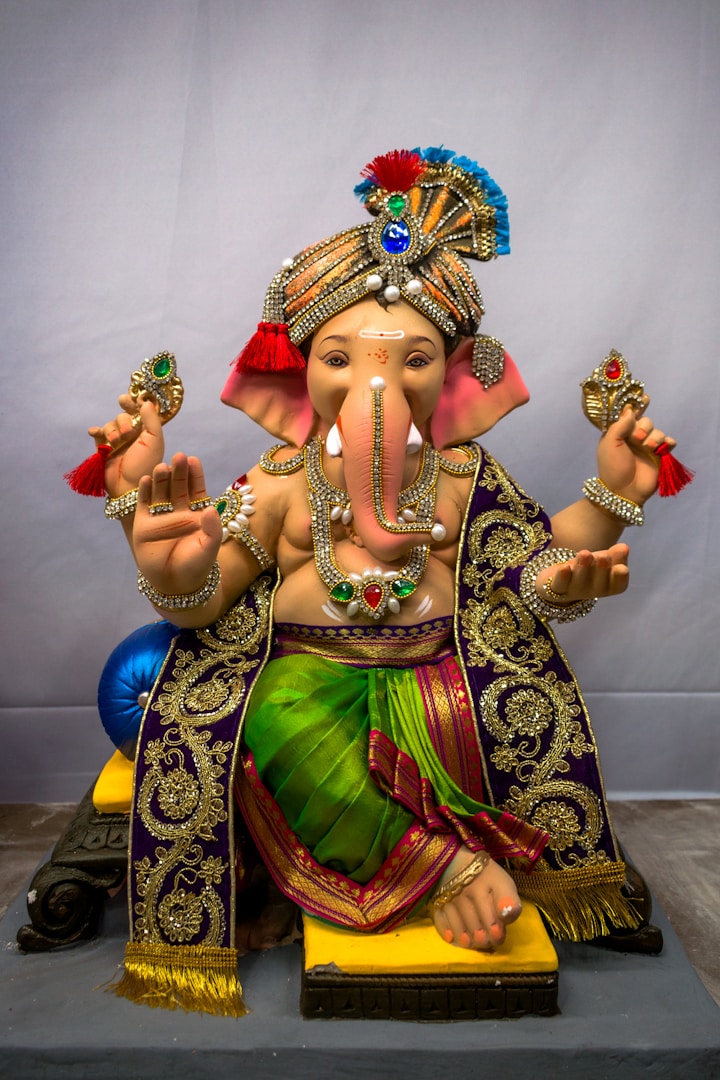
Hinduism has a diverse range of gods and goddesses because it encompasses many different traditions and aspects of life. Each deity represents specific qualities, principles, or forces of nature, helping followers connect with different ways of understanding the divine.
Sanatana Dharma, often referred to as the eternal way or eternal religion, teaches the following core principles:
Universal Truth: The pursuit of truth and righteousness (Dharma) is essential for spiritual growth.
Karma: Actions have consequences; good deeds lead to positive outcomes, while bad deeds lead to suffering.
Reincarnation: The soul is eternal and undergoes cycles of birth and rebirth until attaining liberation (Moksha).
Dharma: Living ethically, morally, and in harmony with the universe.
Non-violence (Ahimsa): Respect for all living beings and practising compassion.
Self-Realisation: The aim is to realise the true nature of the self (Atman) and its unity with the divine (Brahman).
Spiritual Practice: Emphasises meditation, prayer, rituals, and devotion as paths to spiritual awakening
Important Hindu scriptures and books
Vedas – The oldest and most sacred scriptures of Hinduism, consisting of four collections: Rigveda, Yajurveda, Samaveda, and Atharvaveda. They contain hymns, prayers, and rituals that form the foundation of Vedic religion.
Upanishads – Philosophical texts that explore the nature of reality, the self (Atman), and the ultimate truth (Brahman). They are considered the spiritual core of the Vedas and emphasise meditation, knowledge, and enlightenment.
The Bhagavad Gita, Ramayana, and Mahabharata are among the most widely read and revered texts in Hinduism, inspiring millions with their teachings
Bhagavad Gita – A key scripture that is part of the Mahabharata, it is a dialogue between Lord Krishna and Arjuna on the battlefield, discussing duty, righteousness, and devotion.
Ramayana – An epic poem narrating the story of Lord Rama, his wife Sita, and his quest to rescue her from the demon king Ravana. It highlights virtues like loyalty, bravery, and righteousness.
Mahabharata – One of the longest epic poems, it contains stories, teachings, and the Bhagavad Gita. It addresses dharma (duty), justice, and the complex nature of human life.
Let us look at some of the important Hindu festivals
In Hinduism, celebrating the birthdays of gods and goddesses is a way for devotees to honour and remember their divine qualities. These celebrations, called "Jayanti" or "Purnima," involve prayers, rituals, offerings, and community gatherings. They serve as a reminder of the virtues these deities embody, such as wisdom, strength, and compassion.
Janmashtami marks Lord Krishna’s birth with singing, fasting, and reenacting his life stories. Maha Shivratri celebrates Lord Shiva with night-long prayers, Ram Navami marks Lord Ram's birth.
The Festival of Lights, Diwali symbolises the triumph of light over darkness and good over evil, with illuminating lamps, fireworks, and festive joy.
It celebrates the return of Prince Rama, his wife Sita, and brother Lakshmana to Ayodhya after 14 years of exile and defeating the demon king Ravana.
In South India, it marks Lord Krishna and his wife Satyabhama defeating the demon king Narakasura
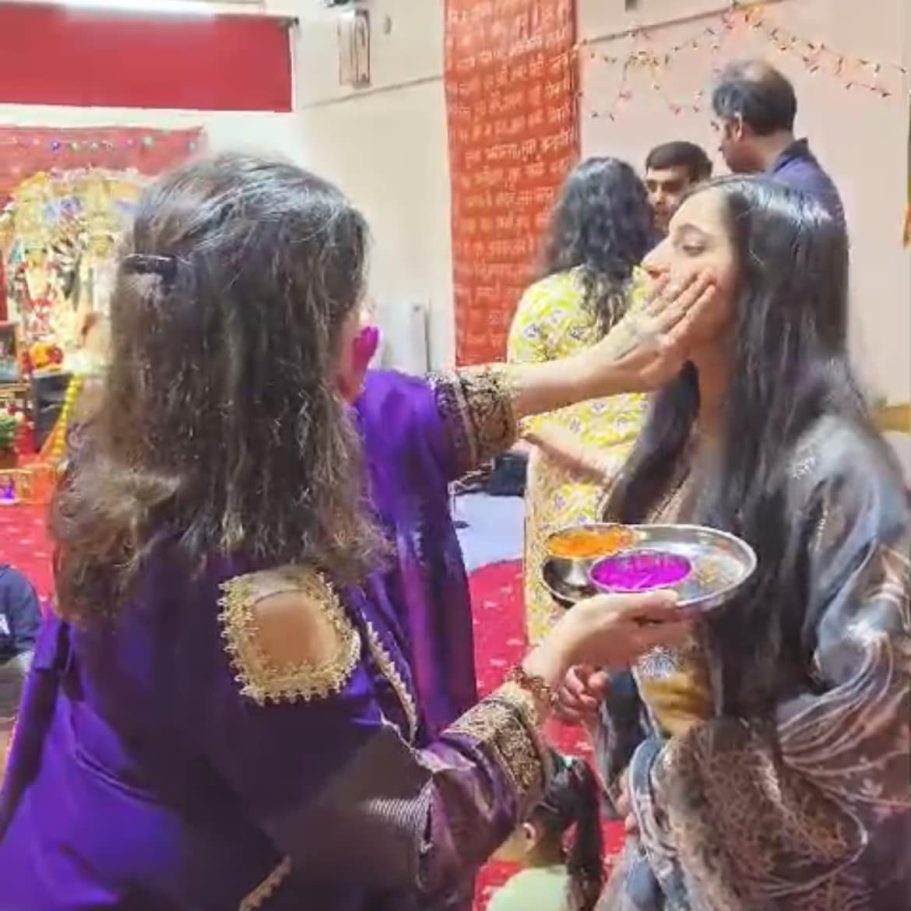
The Festival of Colors, Holi is a lively celebration of spring, love, and the victory of good over evil, marked by vibrant colors, music, and dance.
The significance and meaning of this festival include the burning of Holika to save young Prahlad; the playful love of Radha and Krishna, and the revival of Kamadeva by Shiva.
Holi also symbolizes the arrival of spring and the blossoming of new beginnings, bringing communities together in joy and harmony. It encourages forgiveness, unity, and the spreading of happiness through colorful festivities.
Navratri is a nine-night festival dedicated to Goddess Durga, celebrating her power, strength, and victory over evil. It involves fasting, prayer, dance(Garba), and devotion, culminating in the worship of different forms of the goddess. Navratri symbolises spiritual renewal, courage, and the triumph of good over evil.
Dussehra (the 10th day) also known as Vijayadasami, celebrates the victory of Lord Rama over the demon Ravana.
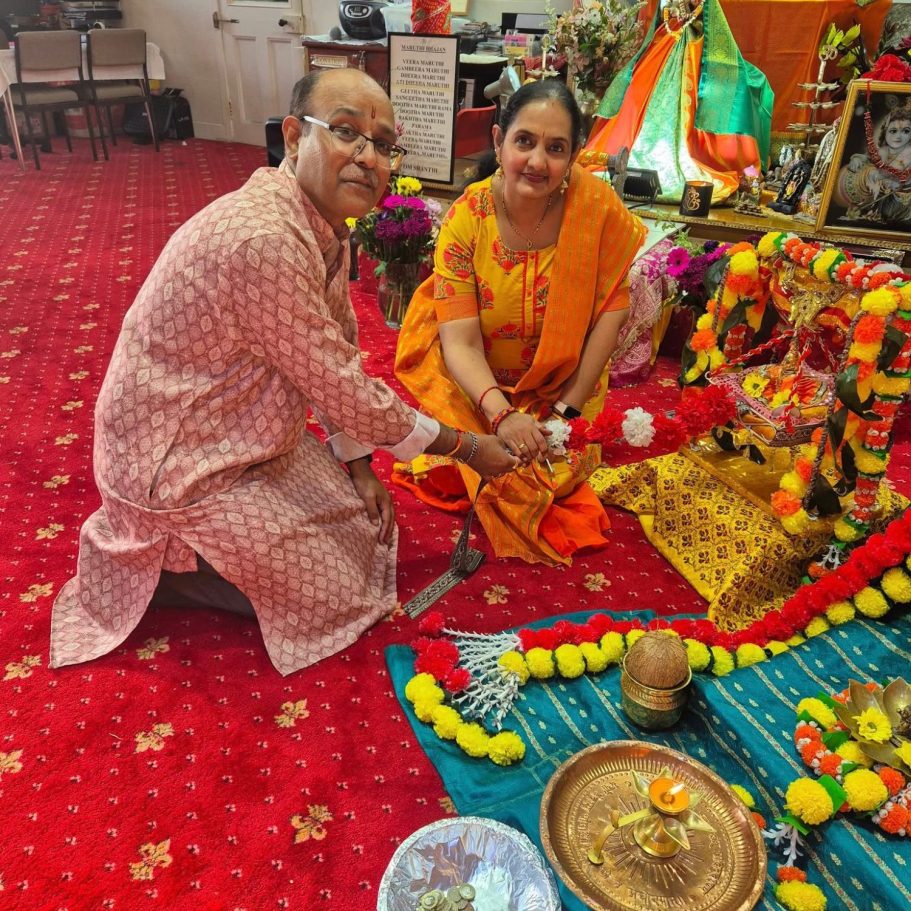
Hindu festivals are rich in rituals that symbolise spiritual beliefs, cultural traditions, and divine blessings. During these festivals, devotees perform various rituals such as prayer, fasting, and offerings to deities. For example, during Diwali, people light lamps and burst crackers to symbolise the victory of light over darkness. In Navratri, fasting, prayer, and dance (Garba and Dandiya) are common. Holi involves throwing colored powders and water, celebrating joy and unity. Lakshmi Puja is performed during Diwali to seek prosperity. During Krishna Jayanti, a special ritual involves pulling a cradle with a baby Krishna idol, symbolising his divine childhood. These rituals foster community bonding, spiritual growth, and devotion, making Hindu festivals vibrant and meaningful celebrations.
Hindu festivals are rich in rituals that symbolise spiritual beliefs, cultural traditions, and divine blessings. During these festivals, devotees perform various rituals such as prayer, fasting, and offerings to deities. For example, during Diwali, people light lamps and burst crackers to symbolise the victory of light over darkness. In Navratri, fasting, prayer, and dance (Garba and Dandiya) are common. Holi involves throwing colored powders and water, celebrating joy and unity. Lakshmi Puja is performed during Diwali to seek prosperity. During Krishna Jayanti, a special ritual involves pulling a cradle with a baby Krishna idol, symbolising his divine childhood. These rituals foster community bonding, spiritual growth, and devotion, making Hindu festivals vibrant and meaningful celebrations.
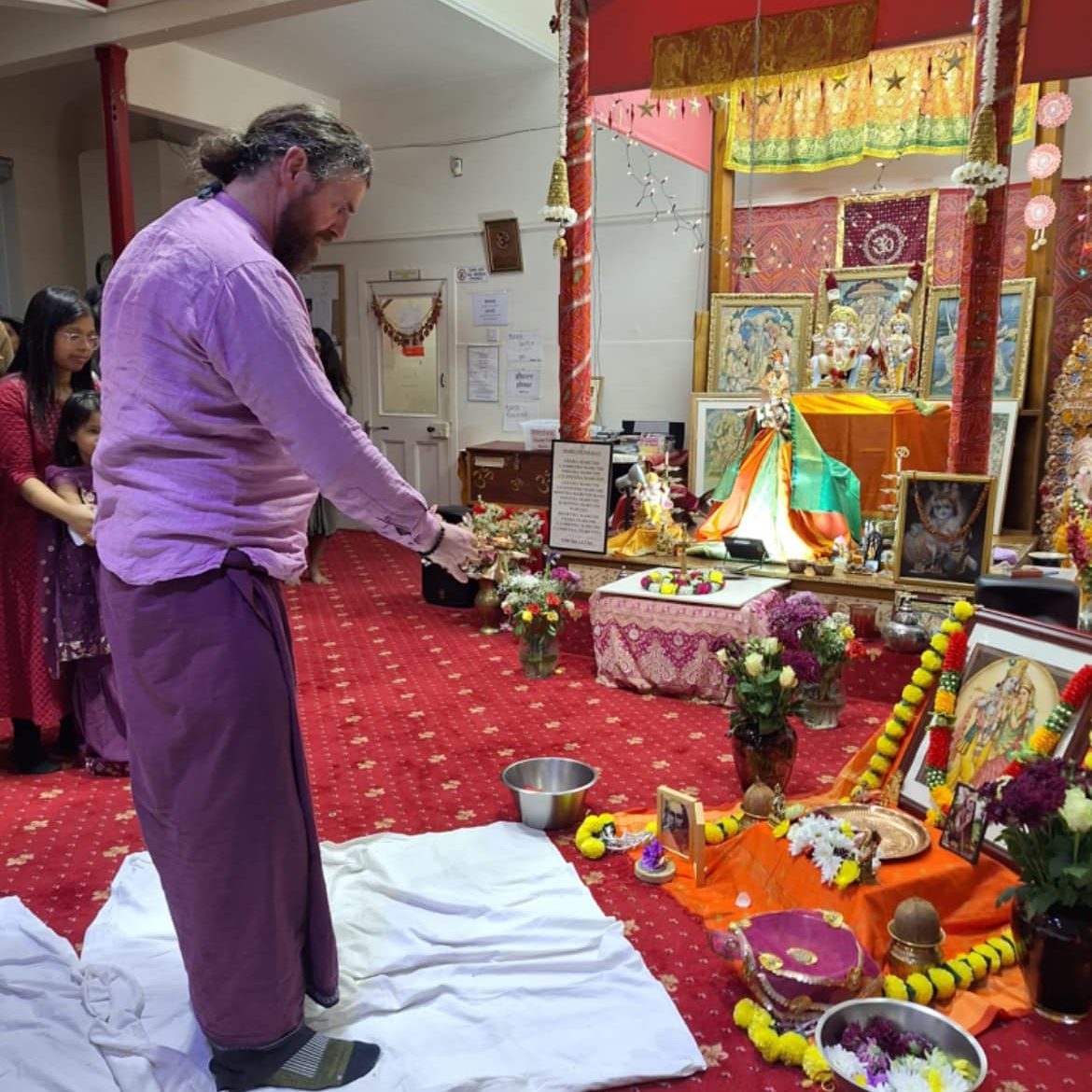
Buring/lighting of the lamp: Lighting a lamp in temples holds deep spiritual significance. It symbolizes the removal of darkness and ignorance, and the ushering in of light, knowledge, and divine presence. The lamp represents purity, auspiciousness, and the victory of good over evil. Lighting a lamp is also seen as an offering to the divine, invoking their blessings and creating a sacred atmosphere for worship.
Removing shoes or footwear before entering a temple is a sign of respect and humility. It signifies leaving behind ego and worldly attachments, creating a pure and sacred space for worship. This act helps maintain cleanliness and purity within the temple, honoring the sanctity of the divine environment.
We need your consent to load the translations
We use a third-party service to translate the website content that may collect data about your activity. Please review the details in the privacy policy and accept the service to view the translations.